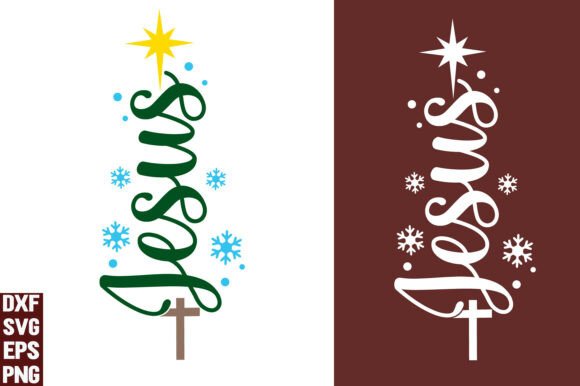
Christian Jesus PNG, Jesus Names Tree Graphics for T-Shirt Designs
A Brand Designer’s First Look at This Faith-Inspired Graphic Design Asset
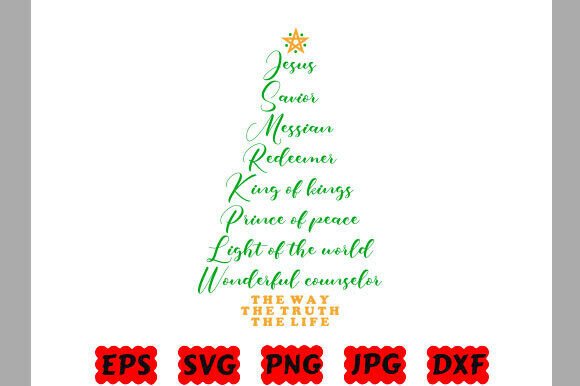
When I opened the Christian Jesus PNG, Jesus Names Tree file set for a recent local bakery rebrand—think warm cinnamon rolls, handwritten chalkboard menus, and gift boxes tied with twine—I felt immediate resonance. The illustration balances reverence with approachability: a stylized tree formed from sacred names, rendered in clean line work with gentle curvature and subtle organic flow. It reads as friendly, handmade, and quietly elegant—not overtly ornate or liturgical, but grounded, warm, and intentionally human. That makes it unusually versatile for small business branding where authenticity matters more than dogma.
Where This Graphic Design Asset Fits Real Local Business Needs
I tested the Christian Jesus PNG, Jesus Names Tree across multiple touchpoints for a seasonal “Grace & Grain” holiday collection—featuring spiced shortbread, lavender-honey candles, and linen-wrapped soap bars. Here’s where it delivered tangible value:
- Product labels: Used as a top-corner accent on kraft paper soap tags—small enough to feel intentional, large enough to communicate meaning without crowding ingredients or certifications.
- Packaging design: Scaled down and repeated as a subtle border on gift box liners, reinforcing brand identity without overwhelming the tactile experience of unboxing.
- Social media graphics: Layered over soft-focus photos of baked goods and hand-poured candles—its transparent PNG background allowed seamless integration into Instagram carousels and Facebook event banners.
- Printable design assets: Printed on thank-you cards tucked inside orders, adding emotional warmth that customers specifically mentioned in reviews (“felt like a blessing, not just a receipt”).
- Seasonal campaign visuals: Paired with serif typography for a Christmas pop-up menu, then simplified to monochrome for a Lenten wellness series—proving its adaptability across tone and timing.
How It Strengthens Small Business Branding—Beyond Aesthetics
This isn’t just clipart—it’s a functional piece of brand identity infrastructure. When applied thoughtfully, the Christian Jesus PNG, Jesus Names Tree supports real business outcomes:
- Stronger first impression: On shelf or screen, it signals intentionality—not generic decoration, but values-aligned visual language.
- Better product recognition: Repeated as a consistent motif across soap labels, candle jars, and tote bags, it built instant visual recall among repeat customers.
- Clearer visual hierarchy: Its balanced negative space allows bold product names or pricing to dominate—no fighting for attention.
- More consistent brand identity: With SVG and EPS files included, scaling from 2-inch hang tags to 48-inch in-store posters preserved crispness and tone.
- Improved customer trust: In faith-adjacent businesses (like this bakery rooted in community care), it conveys sincerity—not marketing gimmickry.
Best Use Cases—and Where to Proceed with Care
The Christian Jesus PNG, Jesus Names Tree shines brightest in contexts where warmth, meaning, and craftsmanship intersect:
- Product labels and packaging accents for handmade business owners
- Hero graphics for website banners and email headers
- Decorative brand elements on thank-you cards, stickers, and printable inserts
- Seasonal packaging—especially Easter, Christmas, or faith-based wellness launches
- Boutique visuals for faith-friendly apparel, home decor, or children’s products
- Social media campaign graphics where emotional resonance drives engagement
Use it carefully—or avoid altogether—in these scenarios:
- Formal corporate branding (e.g., legal services, financial advisors)
- Very small labels (<5mm height) where detail blurs or becomes illegible
- Crowded packaging layouts with dense ingredient lists or regulatory text
- Backgrounds with low contrast (e.g., light gray on off-white)—test transparency rigorously
- Luxury minimalist brands where restraint is core to positioning
- Any context where the graphic competes with essential information like allergens or usage instructions
Practical Brand Designer Notes Before You Implement
Before integrating the Christian Jesus PNG, Jesus Names Tree into client work or your own product line, run these checks:
- Test it on real packaging mockups—not just digital previews—to assess scale, spacing, and material interaction (e.g., how it reads on matte kraft vs. glossy sticker stock).
- Check black-and-white usage: Does the line weight hold up in monotone? Crucial for cost-effective printing or embossing.
- Preview it on small labels—even if you plan large-scale use—since many small business owners start small and scale later.
- Test it with your brand colors: Overlay the PNG on your palette swatches; try the SVG in your vector editor with spot-color fills.
- Compare it side-by-side with competitor packaging—does it differentiate, or blend in?
- Verify print quality: Zoom into the 300 dpi PNG—look for pixelation at edge curves, especially where names meet branches.
- Review SVG editability: Can you isolate individual name branches? Adjust stroke weight? This matters for customizing per product line.
- Test font pairings: Try it beside serif (e.g., Playfair Display), sans serif (e.g., Montserrat), script (e.g., Pacifico), and display fonts (e.g., Abril Fatface)—note which best supports your brand voice.
- Confirm commercial licensing: Ensure your use case (e.g., physical product sales, client deliverables, social ads) is explicitly permitted—not just “personal use.”
Final Thought: A Thoughtful Tool for Values-Driven Brands
The Christian Jesus PNG, Jesus Names Tree isn’t a one-size-fits-all graphic design asset—but for local business owners, handmade sellers, and creative entrepreneurs building brands rooted in care, community, or quiet conviction, it’s a rare find. It carries weight without heaviness, tradition without rigidity, and meaning without clutter. When used with intention—as part of a broader packaging design, social media graphics strategy, or cohesive brand identity—it doesn’t just decorate. It connects. And in today’s saturated market, that connection is the most valuable design outcome of all.